Buying clothes for children and babies can be a fun but also challenging task for parents. With so many options to choose from, it can be difficult to know where to start. Here are six useful tips to make shopping easier and ensure you choose the right clothes for your baby.
1. Plan by season and size
Before you start buying clothes for your child, it is important to take into account the season and the child's current size. Keep in mind that children grow quickly, so it might be wise to buy some garments in a larger size to be prepared for the growth. If it's winter, make sure you have enough warm clothes like overalls, hats and mittens. For summer, airy and comfortable clothes may be more appropriate.
2. prioritise comfort and safety
When choosing clothes for your child, comfort and safety are paramount. Make sure that the clothes are made of soft and comfortable materials that do not irritate your child's skin. Avoid clothes with sharp or loose details that could pose a safety risk to your child. Also check that the seams are well sewn and that any zips or buttons are secure and cannot come off easily.
3. think about functionality and usability
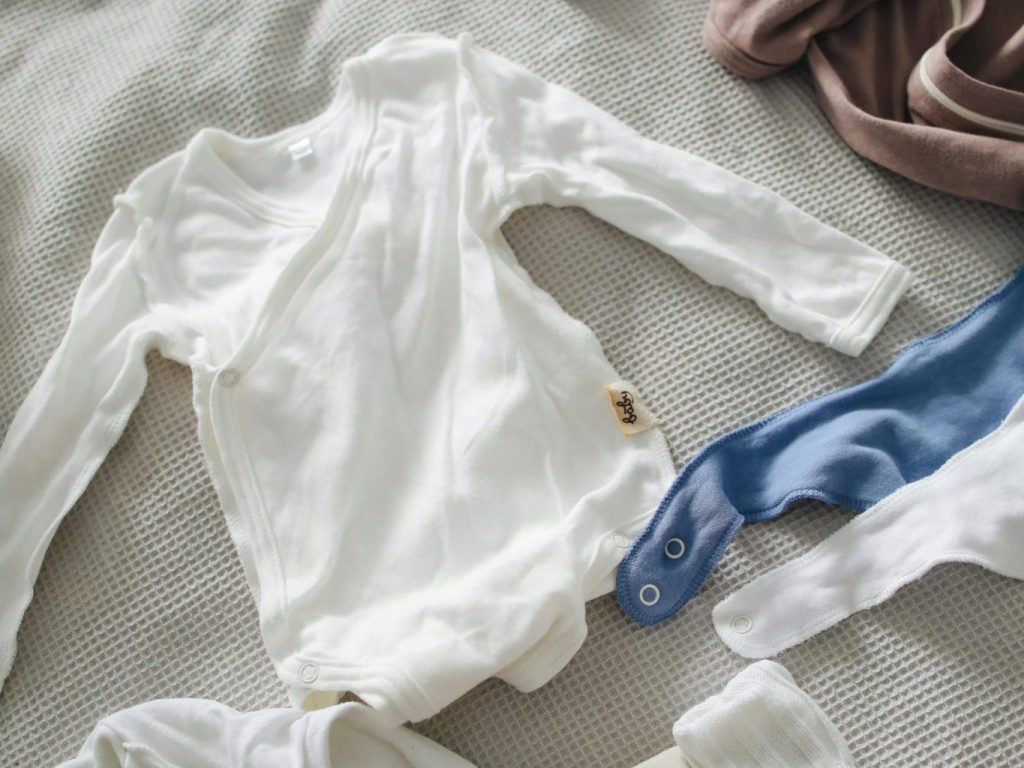
When choosing children's clothing, it is also important to think about functionality and usability. Opt for clothes that are easy to put on and take off, especially for babies who may need to change frequently. Clothes with press studs or zips along the sides can be practical to make changing clothes easier. In addition, clothes with elasticated waists or adjustable straps can be more comfortable and durable over time. Make sure to buy clothes adapted to your child's activities from the start.
4. Pay attention to quality and sustainability
Investing in high-quality clothing is important to ensure that it lasts a long time and can withstand daily use and washing. Look for clothing brands that are known for their good quality and use of safe and durable materials. Although high-quality clothes may be a little more expensive initially, they can be a better long-term investment as they usually last longer and can be inherited or sold on to other children when your child outgrows them.
5. Don't be afraid of second-hand goods
Buying second-hand clothes is a great way to save money and reduce your environmental impact. Many times you can find clothes in good condition at a fraction of the price of new clothes. Be sure to inspect the clothes carefully before buying them and wash them thoroughly before letting your child wear them. You can find second-hand clothes at second-hand shops or on online marketplaces. Also keep in mind that you can swap clothes with other parents.
6. Let the child be part of the process
Finally, it can be a good idea to let your child be involved in choosing their own clothes, especially as they get older and develop their own style. By allowing your child to be involved in the shopping process, you can foster their independence and self-confidence while avoiding potential conflicts over clothing choices. Give your child some options to choose from and let them feel that their opinions and preferences are taken seriously.
By following these six tips, you can make shopping for children's and baby clothes a smoother and more rewarding experience for both you and your child. Remember, the most important thing is that the clothes are safe, comfortable and suitable for your child's needs and activities.